Targeted grazing is the foundation of most projects at Raptor Ridge Farm. We use a managed goat herd to suppress invasive growth, reduce brush pressure, improve access, and manage difficult terrain with a lower-impact approach in places where conventional methods are not always the best fit.
Steep slopes, woodland edges, fence lines, poison ivy, invasive vines, dense understory, and hard-to-reach overgrowth.
Some sites benefit from follow-up work after the initial grazing pass. Mechanical follow-up can help address woody stems, remaining brush, access improvement, and finishing work after the herd has opened up the site and reduced overall vegetation pressure.
For many projects, grazing is the first pass and mechanical follow-up is used only where additional cleanup or regrowth control makes sense.
For sites that need more than brush reduction alone, we offer restoration-focused services that build on the work goats begin in the field. Depending on the project, that may include native seeding, hedgerow installation, pollinator planting, follow-up monitoring, soil-focused evaluation, and longer-term stewardship support.
A grazing-led transition toward a more open, manageable landscape using native or ecotype seeding after site preparation. This can be offered as a light seeding add-on immediately after grazing or as a fuller establishment package with follow-up visits and seasonal oversight.
Light add-on or full establishment available.
A structured approach for creating or enhancing living boundaries with native plantings and browsed edges. Projects may range from light edge enhancement and replanting guidance to full installation with layout, plant material, and protective elements as needed.
Light add-on or full establishment available.
Planting-focused options designed to support habitat, biodiversity, and long-term ecological function after initial site preparation. Good fit for meadow transitions, restoration edges, and public-facing stewardship projects.
For clients who want to track progress over time, monitoring and reporting can be added to document vegetation response, site conditions, and restoration progress across the season.
Additional stewardship services can include soil-focused evaluation, light site review, and follow-up recommendations to support longer-term management goals beyond the initial grazing pass.
Availability may depend on project type, timing, and site conditions.
Targeted grazing with sheep for solar sites and related energy landscapes where vegetation control, access, and low-impact maintenance are important to long-term site function.
For some projects, sheep may be a better fit for managing herbaceous vegetation, pasture weeds, and grass-dominant growth where a different grazing pattern is more appropriate than brush-focused goat work.
For schools, campuses, municipal programs, and select public-facing projects, educational add-ons can be included to help visitors learn more about targeted grazing, vegetation management, and the role goats can play in ecological land care.
A strong fit for community-facing projects, campus engagement, and public education opportunities connected to active grazing work.
Every project is different, so recommendations and estimates are based on terrain, vegetation density, access, fencing needs, travel, and overall scope. Most clients begin by sending a few photos and basic site details so we can recommend the best fit.
If needed, we can help determine whether grazing alone, grazing plus mechanical follow-up, or a restoration-focused option makes the most sense for your site.
From overgrown residential boundaries to larger public-facing sites, our work is designed to make properties more manageable, accessible, and ecologically sound over time.
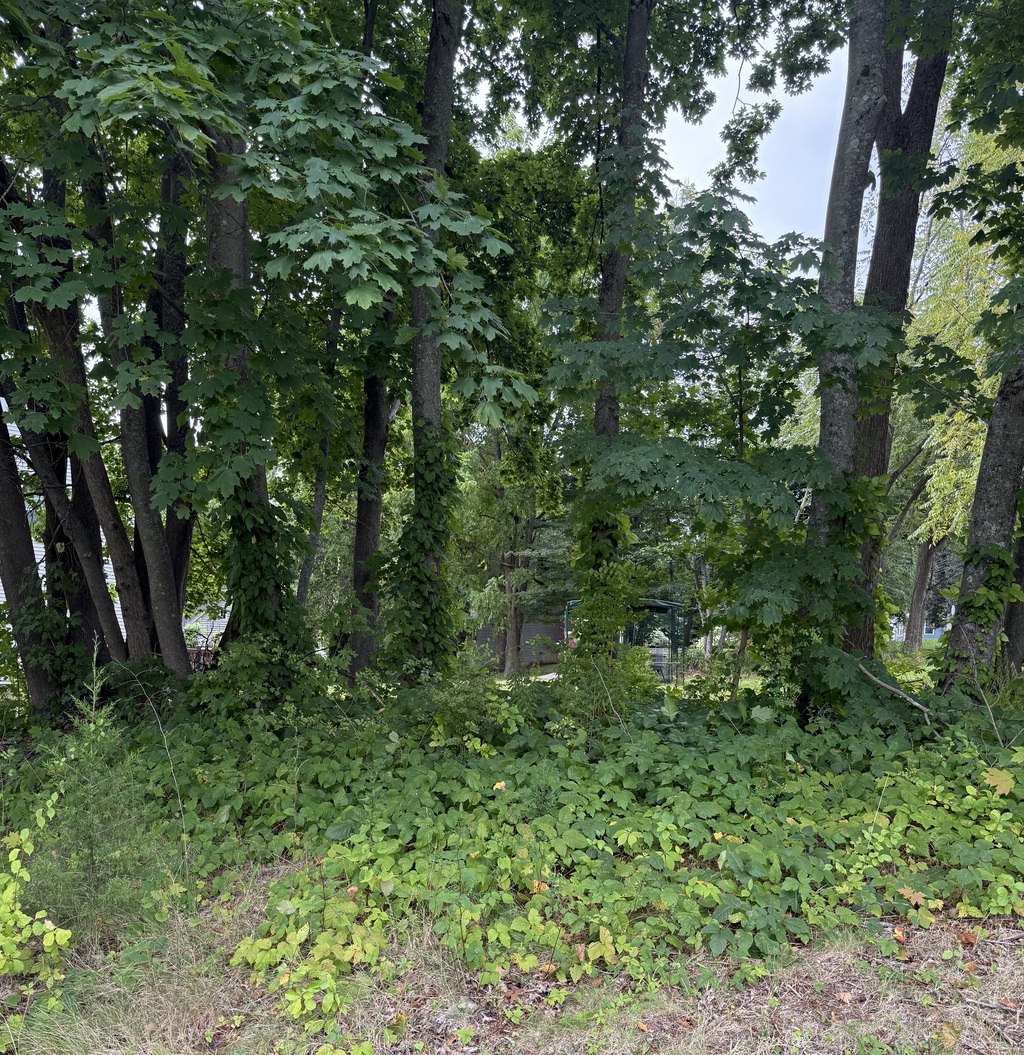
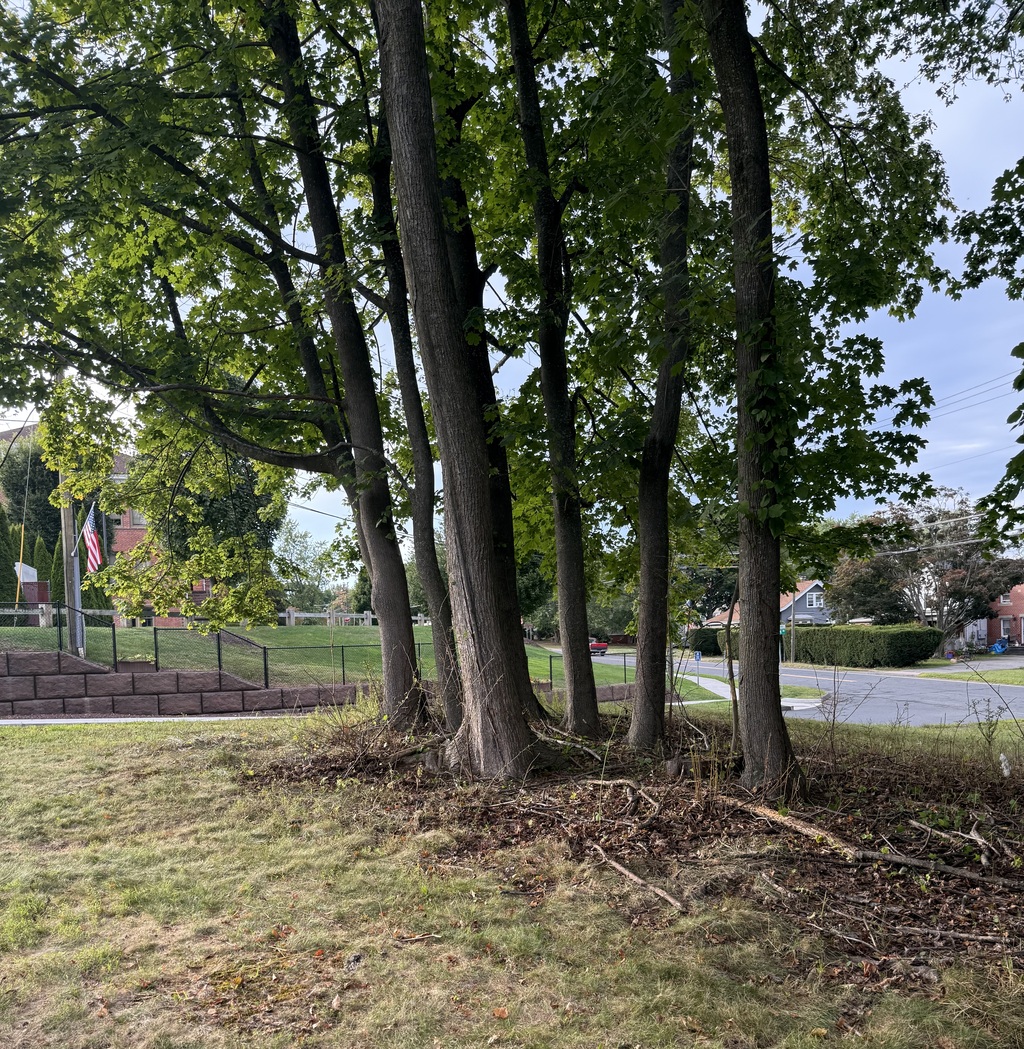
Most projects begin with targeted grazing, and we can recommend the right next step after reviewing your site details, goals, and photos.